Are You In Need Of Pest Management for a Condo in Mississauga
Short answer: yes, it is, condos can still get pests
If you are in a Mississauga condo, you could still need condo pest control even when your suite is well-kept. Condos are still exposed to common household pests because pests can travel through a building, not just into a single unit. In a high-rise or low-rise building, a single pest issue can affect multiple units.
This is especially true in parts of the city with heavy condo density near Hurontario, Square One, and Port Credit, where shared construction, busy garbage systems, and high resident turnover can make pest pressure more probable. In those buildings, a quick call for pest control Mississauga services can keep a small issue from becoming a larger infestation.
If you are a tenant, owner, or part of a condominium corporation, the key is to take action early. A proper inspection can pinpoint the pest, find entry points, and determine whether the issue is contained or connected to common areas, shared walls, or building systems.
What pests are typically most common in Mississauga condos?
In condo complexes, the most frequent complaints usually concern rodents, bed bugs, cockroaches, and ants. In some instances, residents may also run into wasps around balconies or exterior vents, though that is more common in warmer months and on lower floors or rooftop areas.
If you’re searching for mice control mississauga, that’s often because mice can fit through tiny gaps around pipes, baseboards, utility chases, and mechanical spaces. Cold winters in Mississauga drive mice indoors, especially when outdoor food sources are scarce. That makes winter one of the peak times for rodent reports in condo buildings.
Bed bugs are another major concern in condos because they spread by hitchhiking on luggage, furniture, clothing, and sometimes through adjacent units. They do not care whether a suite is clean or messy. Once inside, they can hide in mattress seams, furniture joints, outlets, and baseboards. If you notice bites, blood spots, or signs of activity, a prompt response matters.
Cockroaches are strongly associated with kitchens, laundry rooms, and garbage areas. They thrive where food, moisture, and shelter are available. In multi-unit buildings, they can move through plumbing gaps and walls, which is why sanitation and building-wide treatment plans are often needed.
Ants are regular in spring and summer when they start looking for water and food. They may show up near sinks, pantry items, or balcony doors. Even a few scouts can become a recurring problem if the colony is nesting nearby.
Methods pests enter condos in multi-storey and shorter buildings
Condos offer many access routes for pests because they share structure and services. Common pathways include utility lines, wall openings, floor penetrations, vents, and plumbing channels. These pathways connect units and make it more likely for pests to travel from one suite to another or from one floor to another.
Shared walls are a major factor. If an adjacent unit has a pest issue, the pests may not stay contained. Rodents and cockroaches can move through tiny gaps behind drywall, around electrical boxes, and along pipe runs. Bed bugs can travel even more indirectly if they are moved with furniture or belongings.
Balconies are another overlooked entry point. Birds, wasps, and rodents may use balconies as staging areas, especially when food crumbs, storage bins, or clutter are present. Damaged screens, door sweeps, and weather stripping can also create openings.
Trash rooms and chute systems deserve special attention. In many Mississauga buildings, garbage handling is a repeated pressure point. If waste is not sealed properly, if chutes are dirty, or if recycling and organics areas are poorly managed, pests can find food and harbourage. Peel Region waste and recycling practices, combined with condo garbage rooms and chute systems, can increase rodent and cockroach pressure when building sanitation is inconsistent.
Because of these shared systems, condo pest issues often require more than one unit to be treated. A building-level response, coordinated through property management, is often the most effective approach.
Warning signs that you need pest control now
It is usually time to call mississauga pest control as soon as possible if you notice pellets, bite marks, bedbug welts, or musty odours. These are solid clues that pests are active, not just passing through.
Fecesare one of the clearest signs of rodents or cockroaches. Mouse droppings are often found in cupboards, around sinks, behind appliances, or near storage areas. Cockroach waste may look like coffee grounds or pepper, often in dim corners, behind refrigerators, and around baseboards.
Bite marks can show up on packaging, wires, wood, and even soft construction materials. Rodents continually chew to maintain their teeth filed down, so fresh marks are a clear warning sign. If you notice scratching in walls or ceilings, especially at night, that can also point to rodents.
Bites from bed bugs often appear in clusters or lines on bare skin. Not everyone reacts the same way, so the absence of bites doesn’t rule them out. You may also see small blood spots on sheets, discarded skins, or dark droppings on stitching and the edges of the mattress.
Musty smells may indicate roach activity, an unseen rodent nest, or a moisture-damaged area. In condo living, reports of odours can also signal a problem in a neighbouring unit or a shared wall. If the smell continues after cleaning, a professional inspection is a smart next step.
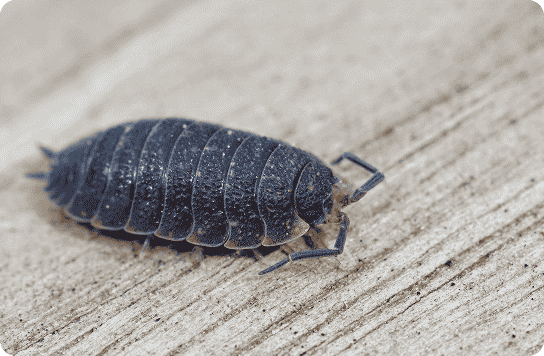
In condo buildings, subtle pest indicators can point to a larger building-wide problem. Early action is cheaper and easier than waiting for a full infestation.
Who is responsible: owner, tenant, condo board, or property manager?
Responsibility in a condo depends on the source of the problem, the lease terms, and whether the issue is in a private unit or a shared part of the building. In many cases, the answer involves more than one party.
The condominium corporation is usually responsible for common areas such as garbage rooms, hallways, lobbies, mechanical rooms, and sometimes shared walls or building systems. If pests are moving through those areas, the corporation and property management team may need to organize treatment building-wide.
Property management often coordinates vendor scheduling, resident notices, access coordination, and follow-up treatment. In Mississauga condo buildings, this role is important because treatments may need to be planned around residents, elevators, and unit access.
For a rental condo, landlord tenant rights also count. In Ontario, landlords generally must maintain the unit in a habitable condition, which includes addressing pest issues that are not caused by the tenant. However, if a tenant’s habits created the conditions for pests, tenant responsibility may come into play, especially when food storage, sanitation, or clutter led to the issue.
Owners should also remember that a pest issue in one suite may not be fully resolved unless the building looks at the broader source. That is why reporting quickly, documenting sightings, and following the building’s process is so important. If the problem is in a neighbouring unit or a shared area, a coordinated response is often the only effective solution.
How much will pest control in Mississauga run?
The pest control mississauga cost is influenced by the pest, the size of the unit, how severe the infestation is, and whether the work is limited to one suite or needs building-wide coordination. A basic service may be much less expensive than a recurring treatment plan for rodents or bed bugs.
An inspection fee is often the initial cost to expect. Some providers bundle inspections into a service quote, while others charge separately. An inspection is valuable because it confirms the pest, identifies nesting areas, and helps determine whether the issue can be handled as a one-time service or needs ongoing support.
A full treatment plan may include bait stations, trapping, crack-and-crevice treatment, sanitation guidance, exclusion work, or targeted applications. For bed bugs, treatment can involve preparation steps, multiple visits, and close follow-up. For rodents, sealing entry points is just as important as removal.
A follow-up visit is often necessary, especially for bed bugs, cockroaches, and mice. In a condo, follow-up helps confirm whether the issue is contained or if pests are still entering from a nearby unit or common area.
If you are comparing quotes, ask what is included, whether monitoring is part of the service, and how quickly a technician can return if activity continues. The cheapest quote is not always the best value if it does not include effective follow-through.
Picking the right pest control Mississauga company
Choosing the right pest control mississauga service means considering more than price alone. You need a company that understands condo construction, multi-unit access, and how pests move through shared buildings. Searching online for pest control near me can help you find local options quickly, but you should still compare experience and service quality.
Seek out companies that outline their process clearly, deliver documented inspections, and understand integrated pest management. That approach blends inspection, sanitation, exclusion, monitoring, and targeted treatment instead of relying only on chemical applications.
Reviews count too. Reading pest control mississauga reviews can give you a sense of response time, professionalism, and whether the company communicates well with condo residents and building staff. You can also search pest control mississauga reviews alongside the exact pest, such as mice or bed bugs, to see how the provider handles your exact situation.
Some names residents may come across include abell pest control, abell pest control mississauga, pestend pest control mississauga, and ar pest control mississauga. People may also look for ar pest control reviews before booking. The right choice depends on availability, condo experience, and the type of infestation.

A good provider should also know when to recommend building-level communication through property management rather than only treating one suite. That is often the difference between a temporary fix and a real solution.
Is it worth comparing area providers in Toronto, Brampton, or Scarborough?
Certainly, reviewing nearby cities can be useful, especially if you want to get a sense of market pricing, service availability, and specialized experience. Many residents compare pest control toronto, pest control brampton, and pest control scarborough providers when looking for condo services in the GTA.
If your issue is rodents, you may also see searches like pest control toronto mice. For bed bugs, some people compare providers advertising pest control toronto bed bugs because those companies often have proven multi-unit experience. Others search for best pest control toronto when they want a broader benchmark for service quality.
Price comparison can help too. You may come across pest control toronto cost or pest control brampton prices https://caledon-onyd974.cavandoragh.org/pest-control-mississauga-reddit-advice-rates-and-local-solutions while doing research. Those figures can give you a sense of regional rates, but condo layout, pest type, and access requirements will still affect your final quote.
If you are located in Mississauga, however, a local provider is often the ideal choice because they understand condo clusters near Hurontario, Square One, and Port Credit, along with the response patterns that come with seasonal pest pressure and local building designs. A nearby team can also coordinate more easily with building staff and return for follow-up treatment when needed.
In some cases, an out-of-city provider may still be appropriate if they have a strong condo portfolio and can respond quickly. Just make sure they are comfortable working with a condominium corporation and multi-unit access rules.
Ways to prevent pests in a condo year-round
Prevention is the most effective long-term strategy for condo living. Good food storage is essential. Keep pantry items sealed, clean up crumbs, and avoid leaving pet food out overnight. In shared buildings, even small amounts of exposed food can attract pests.
Sealing entry points as well brings a major impact. Look around baseboards, pipes, under sinks, balcony doors, and vents. If you can see outdoor light or openings, pests may be able to use them too. Within a condo, some areas may need approval from property management before repairs are made, especially if the opening is part of a shared line.
Careful garbage disposal matters, especially in properties with chute systems and common waste rooms. Tie bags properly, prevent overfilling bins, and do not leave garbage in hallways or on balconies. In Mississauga, where condo buildings often rely on centralized waste handling, sanitation in the garbage room can strongly affect pest activity.
Arrange periodic inspections so you can spot problems early. Although your unit looks clean, pests can enter from adjacent suites, hallways, or mechanical areas. Ongoing checks are especially useful after seasonal changes. Harsh winters can drive mice indoors, while milder months can bring more ants and wasp activity.
Proper prevention is not just about the particular suite. It is also about building community habits. When residents report issues promptly, keep areas clean, and observe condo rules, the overall building benefits.
Mosquito Man MississaugaPlaza 3, 2000 Argentia Rd Ste 400, Mississauga, ON L5N 1V9, Canada
+1 705-230-6577
https://maps.app.goo.gl/1uX4a5KCEf9RgE8t5
https://mosquitoman.ca/pest-control/mississauga/
43.5985085, -79.7411710
Frequently Asked Questions: condo pest control in Mississauga
Do condos in Mississauga need pest control even if the unit looks clean?
Absolutely. A well-kept unit does not block pests from entering through adjacent walls, utility lines, balconies, or public areas. In a condo, pests can travel from another suite or from building systems, so even spotless homes may need pest control Mississauga assistance if activity is detected.
Who pays for pest control in a condo: the owner, tenant, or condo corporation?
It will depend on where the problem starts. The condo corporation is usually in charge of common spaces and whole-building issues. The owner or tenant may be accountable for a problem caused in the unit, depending on the lease and landlord-tenant rights. In many cases, property management team helps coordinate the response.
How much does pest control Mississauga cost for mice or bed bugs in a condo?
The Mississauga pest control cost depends on the pest, the size of the unit, and whether treatment needs a follow-up visit. Mice services may include an assessment fee, traps, sealing work, and a care plan. Bed bug treatment often costs more because it may require preparation, multiple visits, and close monitoring.
What are the most common pests in Mississauga condo buildings?
The most common pests are rodent infestations, especially mice, plus bed bugs, cockroaches, and sugar ants. Some buildings also deal with wasps around balconies or exterior openings. Problems often increase when garbage rooms, chute systems, or sanitation practices are not managed well.
How do I choose the best pest control Mississauga company?
Look for experience with condos, clear communication, and strong reviews for pest control mississauga. The best pest control mississauga company should understand careful pest control planning, offer a careful evaluation, explain the service plan, and be willing to work with the building manager and the condominium corporation when needed.
If you live in a Mississauga condo and suspect pests, don’t wait for the problem to spread. Early reporting, proper inspection, and a coordinated response are the best ways to protect your unit and the building as a whole.